
Multi-Location SEO
Build Search Visibility Across Multiple Markets and Locations
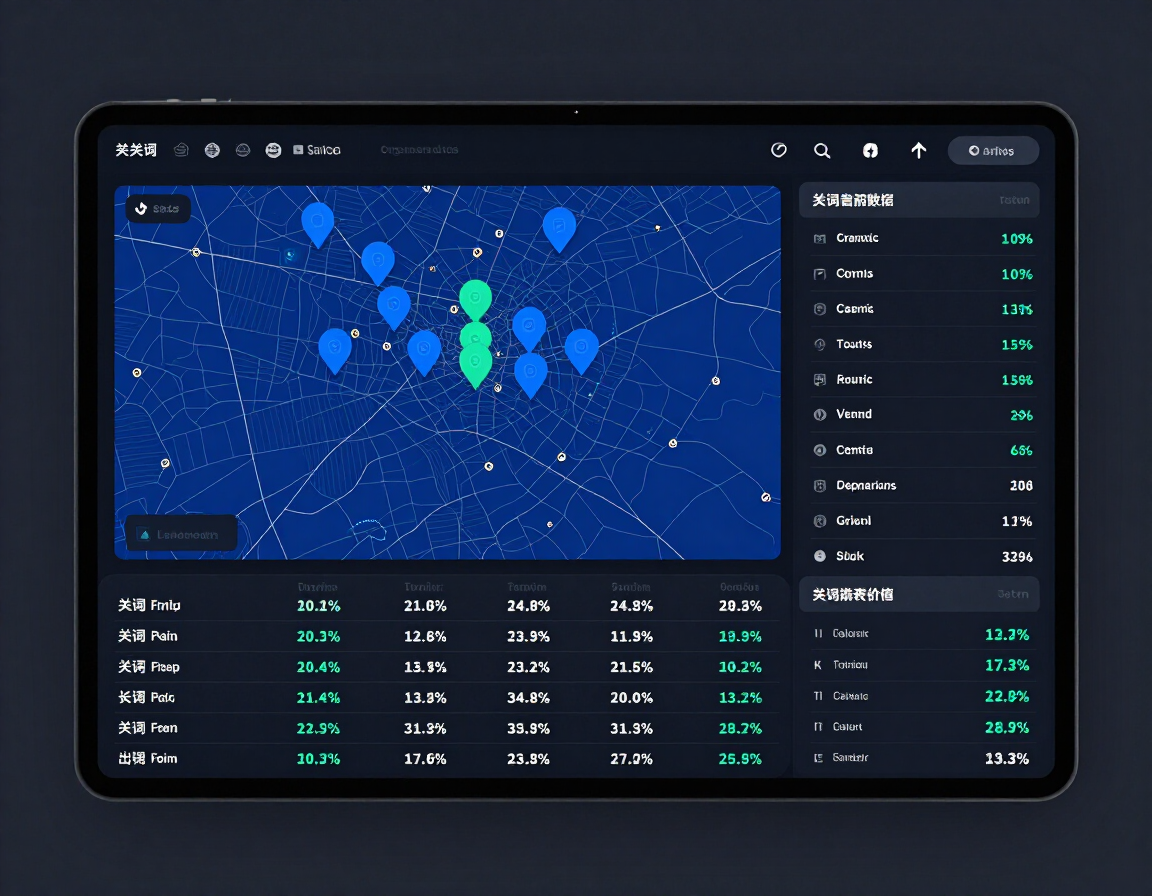
Multi-location businesses face unique SEO challenges — each market needs its own location architecture, unique content, citations, and profile management to compete locally. Kaboom builds scalable multi-location SEO programs that establish visibility across all markets without thin content, duplicate pages, or diluted authority.
Location Architecture
Location Pages Built to Rank Without Duplicating Content
Most multi-location websites fail in search because location pages are near-identical thin pages with swapped city names — Google's systems detect and discount them. Kaboom engineers each location page with a distinct URL structure, unique service content, market-specific signals, and proper internal linking so every location page competes on its own merit.
URL Architecture That Scales
Each location gets a clean, crawlable URL path (e.g., /services/phoenix) designed for clarity, keyword alignment, and crawl efficiency as the number of locations grows.
Unique Content Per Location
Service descriptions, local proof, neighborhood context, and market-specific FAQs make every location page genuinely different — not a template swap — so search engines rank each page on its own authority.
Strategic Internal Linking
A deliberate internal link structure connects the root services hub to each location page and cross-links related locations, consolidating authority and making it easy for both users and crawlers to navigate.
Canonical and Duplicate-Content Controls
Proper canonical tags, consistent NAP data, and structured metadata prevent accidental duplicate-content signals that can dilute rankings across all location pages.
Profiles, Citations & Reputation
Consistent Local Presence Across Every Market You Operate In
Google Business Profile management, citation accuracy, and reputation signals must be handled at the per-location level — not as a single account. For multi-location businesses, one inconsistent address, duplicate listing, or ignored review cluster can suppress visibility across an entire market.
Kaboom sets up and optimizes individual Google Business Profiles per location, builds and corrects citations in local directories and niche listings, monitors review profiles location by location, and maintains NAP consistency so each location sends clean, trustworthy signals to search engines.
What This Covers:
• Google Business Profile setup and optimization per location
• NAP consistency audits and corrections
• Local citation building and directory submissions
• Duplicate listing detection and cleanup
• Review monitoring and response guidance per location
• Reputation consistency tracking across all markets

Scalable Growth Process
Adding Locations Without Losing Quality or Rankings
The challenge for growing multi-location businesses is that adding new markets often dilutes the quality of existing locations. Kaboom uses a repeatable, prioritized onboarding process for new locations so each one launches with a complete SEO foundation rather than a placeholder page.
01
Market Prioritization
New locations are evaluated by competitive difficulty, search demand, and strategic business value so the highest-opportunity markets receive resources first.
02
Location Page Build-Out
Each new location receives a unique URL path, original service content, local schema, metadata, and internal links before it is submitted for indexing.
03
Profile and Citation Launch
Google Business Profile is created or claimed and optimized. Core citations and niche-relevant directories are built with consistent NAP data for each new market.
04
Integration Into Reporting
Each new location is added to the per-location tracking dashboard so rankings, visibility changes, and performance trends are visible from day one.
Reporting & Visibility
See Exactly Which Locations Are Growing — and Which Need Attention
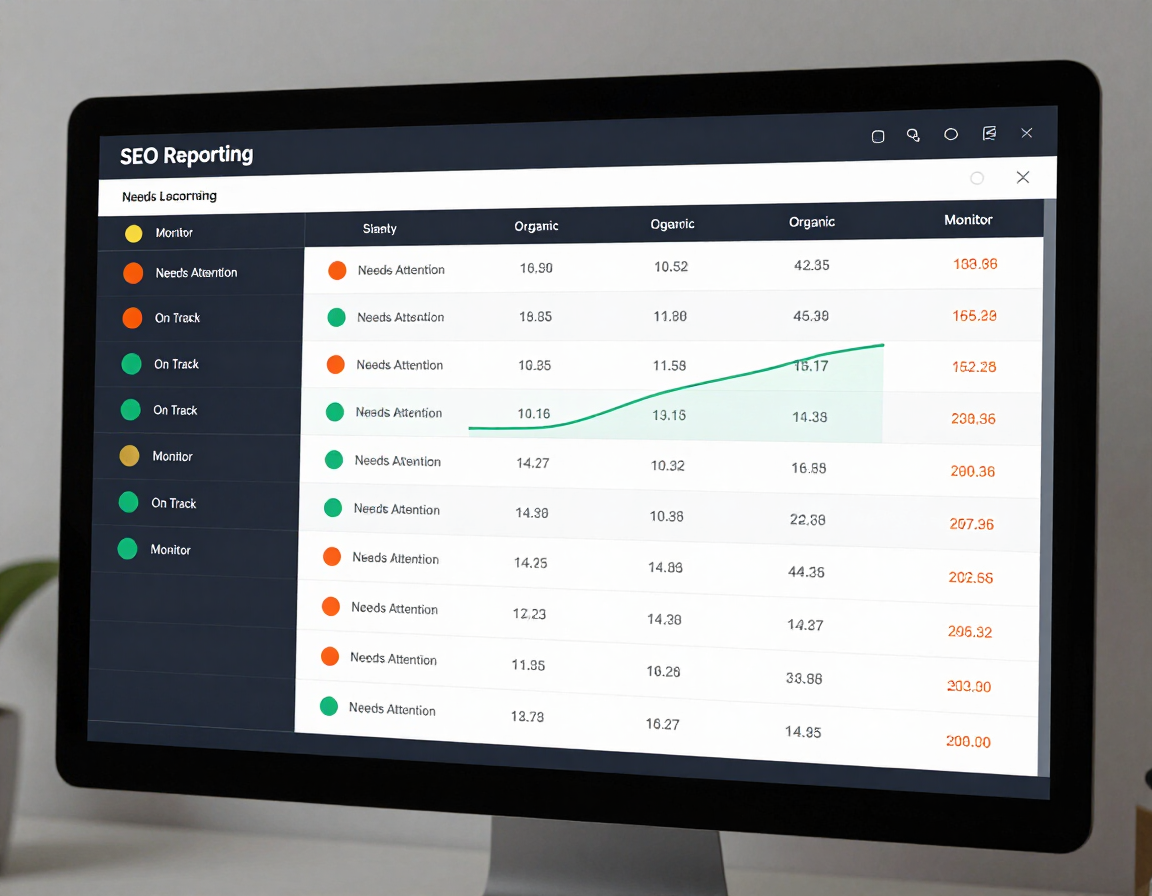
Aggregate reporting hides the real story for multi-location businesses — a strong performing location can mask a struggling one in blended analytics. Kaboom builds per-location reporting that surfaces keyword visibility, traffic, and conversion performance for every market individually.
Monthly reports break down ranking changes, organic traffic trends, and work completed at the location level. Priority flags indicate which locations have slipped, which are gaining, and where the next optimization sprint should focus — so decisions are driven by data, not guesswork.
What per-location reporting includes:
• Keyword rankings tracked per location and market
• Organic traffic and engagement by location page
• Google Business Profile visibility per location
• Work completed this period, broken out by location
• Priority locations identified for next sprint
• Plain-English analysis, not just raw data exports
Get Started
Ready to Build Consistent Search Visibility Across All Your Locations?
Multi-location SEO requires a structured approach — location architecture, local profiles, citations, content, and reporting all working together at the per-market level. A discovery call helps map the right strategy for the number of locations, markets, and competitive environment you're operating in.