
Content & Authority
Build Topical Authority With Content That Supports Your Money Pages
Random blogging doesn't build authority. Kaboom Digital SEO develops structured content strategies that map blog topics to your core service pages, fill keyword gaps, answer real buyer questions, and signal topical depth to search engines — so every article has a clear purpose and a measurable role in your organic growth.
How Topical Authority Works
Topic Clusters That Reinforce Your Most Important Pages
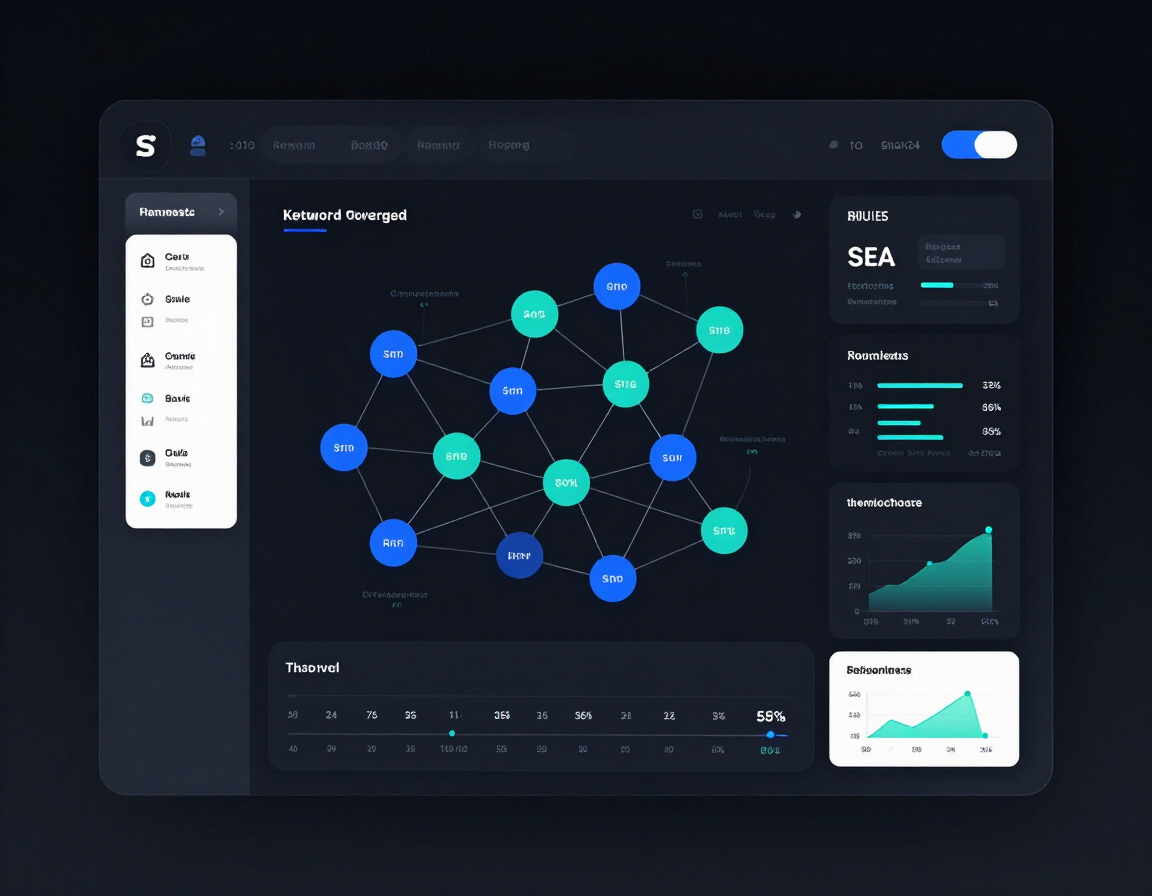
Search engines evaluate how thoroughly a website covers its subject matter — not just whether a single page targets a keyword. A well-structured content strategy builds clusters of related articles that support your primary service and location pages, signaling depth and expertise to Google and AI-powered search tools.
Topic Cluster Architecture
Each core service page becomes the hub of a cluster. Supporting blog articles cover related subtopics, answer downstream questions, and link back to the hub — reinforcing its authority and expanding the keyword footprint around it.
FAQ and Question-Based Content
Buyer questions that appear in 'People Also Ask' boxes, voice search, and AI answer panels are mapped to dedicated articles. These pages build trust, satisfy search intent, and funnel informed readers toward your conversion pages.
Comparison and Problem-Solution Content
Head-to-head comparisons, 'vs' posts, and problem-solution articles capture mid-funnel searchers who are actively evaluating options. These content types build credibility and shorten the decision cycle.
Supporting and Reinforcing Money Pages
Every blog article is mapped to a business objective. Internal link strategy ensures that content authority flows toward the service, category, and location pages that need to rank — not into orphaned articles that generate no business value.
Content Types & Planning
Blog Content Built Around Keyword Opportunity and Business Goals
Effective SEO blogging isn't a weekly habit — it's a structured production plan tied to keyword research, seasonal demand, competitive gaps, and your conversion funnel. Kaboom maps content types to buyer intent stages so each article earns its place in the publishing calendar.
Cost and Pricing Guides
Searchers comparing costs are high-intent buyers. Pricing guides capture 'how much does X cost' queries and bring informed prospects directly to your service pages.
Best-Of and Comparison Lists
Listicle formats and comparison posts rank for research-stage queries and position your brand as a credible reference before the buyer reaches a decision.
FAQ Articles
Dedicated FAQ pages answer specific buyer questions, appear in People Also Ask results, and feed AI-powered answer panels — building visibility at every stage of the search funnel.
How-To and Tutorial Content
How-to articles demonstrate expertise, earn featured-snippet positions, and qualify readers by showing them what's involved before they contact you.
Problem-Solution Posts
Content that names a specific pain point and walks through a solution captures bottom-of-funnel intent and builds trust with prospects who are already frustrated and ready to act.
Seasonal and Timely Content
Demand-driven articles tied to seasons, events, or industry cycles capture search spikes that evergreen content misses — and refresh well when conditions repeat.
Content Calendar Planning
Kaboom builds a prioritized publishing calendar based on keyword volume, competition, seasonal timing, and content gaps relative to your competitors. Each quarter is planned in advance — so content production stays aligned with organic-growth priorities rather than running on guesswork or filler topics.
Content Refresh & Internal Linking
Existing Content Is an Asset — If You Know How to Use It
Most business websites have blog content that was published and forgotten. Kaboom audits existing articles to identify pages that rank on page two or three, cover overlapping topics, have thin or outdated information, or lack internal links to service pages — and turns them into high-priority improvement opportunities.
Content Refresh Strategy
Refreshing an underperforming article is often faster and more cost-effective than publishing a new one. Kaboom updates outdated statistics, strengthens on-page optimization, improves content depth, and realigns the article to current search intent — helping it compete more effectively without starting from scratch.
Internal Link Building From Blog to Service Pages
Every blog article is reviewed for internal link opportunities that pass authority and topical relevance toward your money pages. Kaboom maps anchor text, identifies gaps in the internal link structure, and ensures that new and refreshed content contributes to the authority of the pages that generate leads and revenue.
What a Content Refresh Includes
• Keyword and intent re-evaluation
• Title, H1, and meta description update
• Outdated facts, statistics, and references replaced
• Content depth and structure improvements
• Internal links to supporting and service pages added
• Schema and structured-data review
• CTA alignment with current conversion goals
• Re-indexing signals submitted after update
Next Step
Ready to Build a Content Strategy With a Clear Purpose?
Start with a discovery call. Kaboom reviews your current content, keyword opportunities, topical gaps, and business goals — and builds a content plan that supports your most important pages from day one.